

Let’s be honest: the job market in 2026 looks nothing like it did even five years ago. Remember when a four-year degree was the "golden ticket"? If you had the right school on your resume, you were basically set.
Well, those days are officially behind us.
Today, companies aren’t just looking at where you went to school or what your fancy title was at your last gig. They want to know one thing: Can you actually do the work? This shift is called skills-based hiring, and it’s the biggest game-changer for job seekers in a generation. At Bindralearning Inc., we’ve seen how this opens doors for people who might have been overlooked in the past.
Whether you’re a first-gen student, a career changer, or someone looking to break into tech without a massive student loan, this guide is for you. Let’s dive into how you can win in this new "skills-first" world.
What Exactly is Skills-Based Hiring?
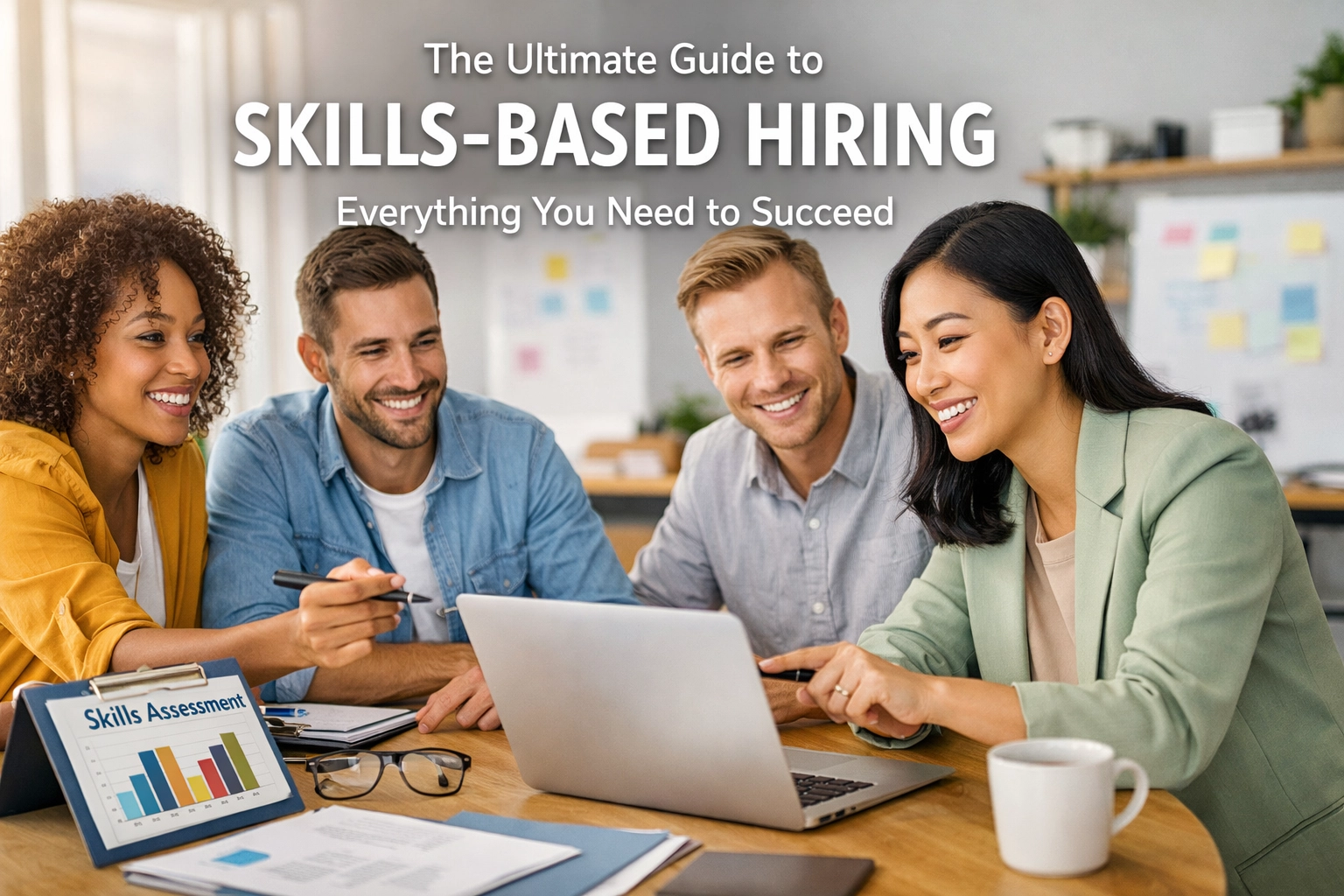
Skills-based hiring (often called "skills-first") is a recruitment method that prioritizes a candidate's demonstrated abilities over their formal education or pedigree. Instead of filtering resumes by "Bachelor’s Degree in Computer Science," recruiters are looking for "Proficiency in Python," "UX Design Certification," or "Proven Project Management."
In 2026, this isn't just a trend, it's the standard. With the rise of AI and the rapid evolution of technology, what you learned in a classroom four years ago might already be outdated. Employers now value adaptability and demonstrable proof of skill above all else.
If you're wondering if you can make it without the traditional path, the answer is a resounding yes. Check out our thoughts on is college worth it in 2026 to see how the ROI of education has shifted.

Why the World Switched to Skills-First
So, why did the "old way" of hiring die? A few things happened at once:
- The AI Revolution: AI changed the tasks we do every day. Companies need people who can work with AI, and those skills are often learned through bootcamps, micro-credentials, or hands-on projects rather than traditional four-year programs.
- The Talent Shortage: There simply aren't enough "traditional" candidates to fill the millions of open roles in tech and STEM. Employers had to get creative and look at STEM pathways you can start with zero experience.
- Equity and Inclusion: Traditional hiring filters, like requiring an Ivy League degree, disproportionately hurt talented people from diverse backgrounds. Skills-based hiring levels the playing field.
For many, this is the best news ever. It means your merit and hard work matter more than your connections or your bank account.
The Candidate’s Edge: How to Stand Out
In a skills-based market, you are the CEO of your own career. You don’t wait for a university to tell you you’re qualified; you prove it. Here is how you build an edge that recruiters can't ignore.
1. Embrace Micro-credentials
You don’t need a 4-year degree to prove you know your stuff. Specialized certifications and micro-credentials allow you to pick up high-demand skills in months, not years. We’ve talked extensively about why micro-credentials will change the way you plan your career path, and in 2026, they are often more relevant than a broad degree.
2. Build a "Proof of Work" Portfolio
If a recruiter asks, "Can you build a responsive web app?" and you point to a GitHub repo or a live site you built, you’ve already won. Real-world projects are the new currency. Whether it’s a side hustle, a volunteer project, or a bootcamp assignment, document everything.
3. Focus on the "Human" Skills
Here’s a secret: as AI takes over technical tasks, "soft skills" have become "hard assets." Communication, empathy, and leadership are harder to automate. Employers are looking for people who can bridge the gap between technology and human needs. If you’re curious why this matters so much, read about why soft skills are your hardest asset in STEM.

Overcoming the "No Experience" Paradox
The biggest frustration for job seekers is the "need experience to get experience" loop. But in a skills-based world, "experience" doesn't just mean a 9-to-5 job.
Think about what you do outside of work. Do you help manage a family business? Do you volunteer at a community center? Do you moderate a large online community? These count! Many people don't realize what counts as an extracurricular if you work or help at home.
When you're writing your resume with limited "official" experience, focus on the outcomes. Did you improve a process? Did you learn a new tool to solve a problem? That is the language of skills-based hiring. For more tips, check out our guide on how to write a resume when you’ve never had a real job.
The STEM Myth: You Don't Have to Be a Genius
One of the biggest barriers to entry in high-paying fields is the myth that you need a 160 IQ to succeed. Let’s bust that right now. In 2026, the most successful people in STEM aren't necessarily the ones who were best at calculus in high school; they’re the ones who are the most curious and resilient.

We tell our students all the time: curiosity beats a high IQ every single time. Skills-based hiring rewards the "tinkerers", the people who are willing to break things, fix them, and learn how they work. You can land STEM careers that pay well without a perfect GPA if you can demonstrate the specific skills the company needs.
Navigating the Challenges
While the shift to skills-based hiring is exciting, it isn't always easy. If you’re a first-generation student or don't have a massive support system at home, it can feel like you're learning a whole new language.
It’s okay to feel overwhelmed. Succeeding in this environment requires a specific kind of mental toughness. We’ve put together a resilience playbook to help you bounce back when things get tough. Remember, every "no" from a recruiter is just data you can use to refine your skills for the next "yes."

Your 2026 Skills-Based Hiring Game Plan
Ready to get started? Here is your step-by-step plan to get hired in the modern market:
- Identify the Gap: Look at the job descriptions for roles you want. What are the top 3 skills they mention?
- Learn and Document: Find a micro-credential or a project that teaches those skills. Don't just learn passively: create something.
- Network Through Value: Reach out to people in the industry, but don't just ask for a job. Share a project you’re working on or ask for feedback on a specific skill.
- Prepare for Assessments: Many companies now use "auditions" or skill tests. Practice these! If you can succeed in school without extra help, you have the self-discipline to ace these assessments.
- Land an Internship: Even in 2026, internships are a great "foot in the door." Learn how to land your first internship before graduation to build that initial professional credibility.
Final Thoughts: The Power is in Your Hands
The era of waiting for permission is over. You don't need a university's stamp of approval to be valuable. In 2026, the tools to learn almost any skill are at your fingertips, and the companies that matter are finally paying attention to what you can actually build.
At Bindralearning Inc., we believe that education should empower you, not put you in a box. Whether you’re looking for STEM careers without a 4-year degree or just trying to find your direction, remember that your skills are your superpower.
So, what skill are you going to master today? The world is waiting to see what you can do.