


Summer break. For students, it's that magical stretch of freedom between school years. But here's the thing: those long, unstructured months can either become a launchpad for growth or a slow slide backward. The difference? Resilience.
Whether you're a district administrator looking to support your student population or a parent wanting to set your child up for success, this checklist is designed to be your go-to resource. We're talking practical, actionable steps that build confidence, spark curiosity, and help students bounce back stronger when fall rolls around.
Let's dive in.
Why Summer Resilience Matters
Here's the reality: students who maintain structure, purpose, and emotional support during summer don't just avoid the "summer slide": they actually leap ahead. They return to school with sharper skills, stronger self-belief, and the mental toolkit to tackle whatever challenges come their way.
Resilience isn't about being tough all the time. It's about knowing how to handle setbacks, ask for help, and keep moving forward. And summer? It's the perfect training ground.
Part 1: Set Clear, Achievable Goals
Every great journey starts with knowing where you're headed. Goal-setting isn't just for adults in boardrooms: it's a superpower for students of all ages.
Action Items:
☐ Sit down together and identify 2-3 summer goals
These don't have to be huge. Maybe it's reading five books, learning to cook three new meals, or finally understanding fractions. The key is making them specific and achievable.
☐ Break goals into weekly milestones
Big goals feel overwhelming. Weekly check-ins make them manageable and give students regular wins to celebrate.
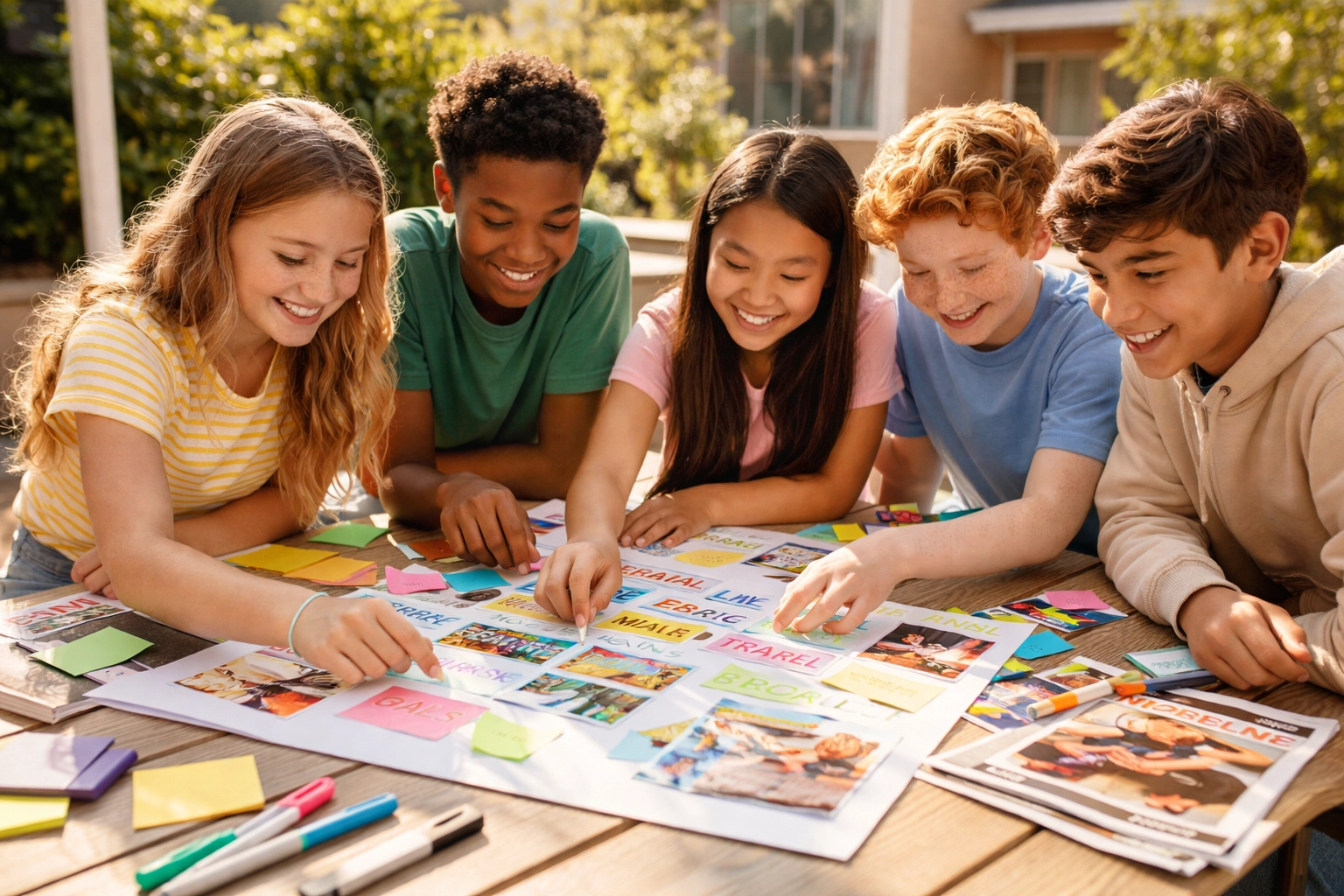
☐ Create a visual tracker
Whether it's a poster on the wall, a digital spreadsheet, or stickers on a calendar: seeing progress builds motivation. Let students design their own tracker for extra buy-in.
☐ Celebrate the small wins
Finished a chapter? Solved a tricky math problem? That deserves recognition. Positive reinforcement fuels the resilience engine.
Part 2: Explore STEM Interests
Summer is prime time for curiosity. Without the pressure of grades and tests, students can explore subjects just because they're interesting. And STEM fields? They're full of fascinating rabbit holes waiting to be discovered.

Action Items:
☐ Try one new STEM activity per week
This could be building something, coding a simple game, conducting a kitchen science experiment, or watching a documentary about space. Variety keeps things exciting.
☐ Visit local science museums, nature centers, or maker spaces
Hands-on experiences stick. Many communities offer free or low-cost summer programming: take advantage of it.
☐ Explore online STEM resources
Programs like STEMtrak4USA are designed to spark interest and build foundational skills in science, technology, engineering, and math. Check out what's available and find something that matches your student's curiosity.
☐ Connect STEM to real life
Cooking is chemistry. Building a treehouse is engineering. Video games are code. Help students see how STEM shows up everywhere: it makes learning feel relevant.
☐ Consider structured math support
If math has been a struggle, summer is a great time to build confidence without school pressure. Programs like the Lightning Math Enhancement Program offer focused support that can transform a student's relationship with numbers.
Part 3: Build Your Support Network
Here's something we don't talk about enough: students thrive when they have people in their corner. Not just parents and teachers, but mentors, peers, and community members who believe in them.
Action Items:
☐ Identify 3-5 "support people"
Help your student name the people they can turn to when they need help, encouragement, or just someone to listen. This might include family members, coaches, neighbors, or family friends.
☐ Encourage peer connections
Friendships matter for resilience. Schedule regular time with friends: whether in person or virtual: to maintain those important social bonds.
☐ Seek out mentorship opportunities
Is there an adult in your community who works in a field your student finds interesting? A casual conversation or job shadow can be incredibly inspiring.
☐ Connect with supportive organizations
Bindralearning is built around the idea that every student deserves access to quality education and encouragement. Explore what resources are available to support your student's unique journey.
☐ Practice asking for help
This is a skill. Role-play scenarios where your student might need to ask a teacher, coach, or peer for assistance. Normalize help-seeking as a sign of strength, not weakness.

Part 4: Prioritize Mental Health & Emotional Resilience
Academic skills matter, but emotional skills? They're the foundation everything else is built on. Summer offers breathing room to work on the inner game.
Action Items:
☐ Create space for open conversations
Make it safe to talk about feelings: excitement, anxiety, boredom, frustration. When students can name their emotions, they can manage them better.
☐ Acknowledge mixed feelings about summer and school
It's totally normal to feel excited about freedom AND nervous about what's next. Validate both sides without trying to "fix" the uncomfortable feelings.
☐ Introduce simple mindfulness practices
Deep breathing, progressive muscle relaxation, or even just five minutes of quiet time can work wonders. There are great free apps designed for kids and teens.
☐ Allow for boredom
This might sound counterintuitive, but boredom builds resilience. When students aren't constantly entertained, they develop problem-solving skills and creativity. Resist the urge to fill every minute.
☐ Encourage outdoor time daily
Research consistently shows that time in nature boosts mood, focus, and emotional well-being. Even 20 minutes outside makes a difference.
☐ Model healthy coping
Students learn by watching. Let them see you managing stress, taking breaks, and talking through challenges. Your example teaches more than any lecture.
Part 5: Create Structure While Allowing Flexibility
Too much structure feels suffocating. Too little leads to chaos. The sweet spot? A flexible framework that provides predictability without rigidity.
Action Items:
☐ Establish consistent wake-up and bedtimes
They don't have to match the school year exactly, but keeping sleep schedules somewhat regular supports emotional stability and cognitive function.
☐ Create a loose daily rhythm
Maybe mornings are for learning activities, afternoons for play, and evenings for family time. A general flow helps everyone know what to expect.
☐ Build in "challenge time"
Whether it's chores, a difficult puzzle, or learning something new: regular challenges build the "I can do hard things" muscle.
☐ Schedule weekly planning sessions
Sit down together each Sunday and map out the week ahead. What activities are planned? What goals are you working toward? This builds executive function skills.
☐ Leave room for spontaneity
Not everything needs to be planned. Some of the best summer memories come from unexpected adventures.
Part 6: Prepare for the Back-to-School Transition
The return to school can trigger anxiety for many students. A little preparation goes a long way in making that transition smooth.

Action Items:
☐ Start adjusting sleep schedules 2 weeks early
Shift bedtimes and wake times by 15 minutes each day until you're back to the school-year routine.
☐ Practice the morning routine
Do a few "dress rehearsals" of the school morning: getting dressed, eating breakfast, packing bags. It reduces first-day stress significantly.
☐ Discuss expectations and excitement
What's your student looking forward to? What are they nervous about? Talking it through helps process emotions and problem-solve potential challenges.
☐ Reconnect with school friends before day one
If possible, arrange a playdate or meetup with classmates before school starts. Seeing familiar faces eases the transition.
☐ Visit the school if possible
For students changing schools or classrooms, a quick visit to see the new space can reduce anxiety dramatically.
Your Printable Summer Resilience Checklist
Here's the condensed version to stick on your fridge:
| Category | Key Actions |
|---|---|
| Goals | Set 2-3 goals, track weekly, celebrate wins |
| STEM | Try new activities, explore programs like STEMtrak4USA |
| Support | Identify support people, build peer connections |
| Mental Health | Open conversations, outdoor time, allow boredom |
| Structure | Consistent sleep, daily rhythm, weekly planning |
| Transition | Adjust sleep early, practice routines, discuss feelings |
We're Here to Help
At Bindralearning, we believe every student has the potential to thrive: they just need the right support and opportunities. Our mission is to provide that foundation through innovative programs and genuine encouragement.
If you're a district leader looking to bring resilience-building resources to your students, or a parent seeking additional support, we'd love to connect. Check out our courses or reach out directly: let's build something great together.
Here's to a summer of growth, discovery, and resilience. Your students have got this; and so do you.